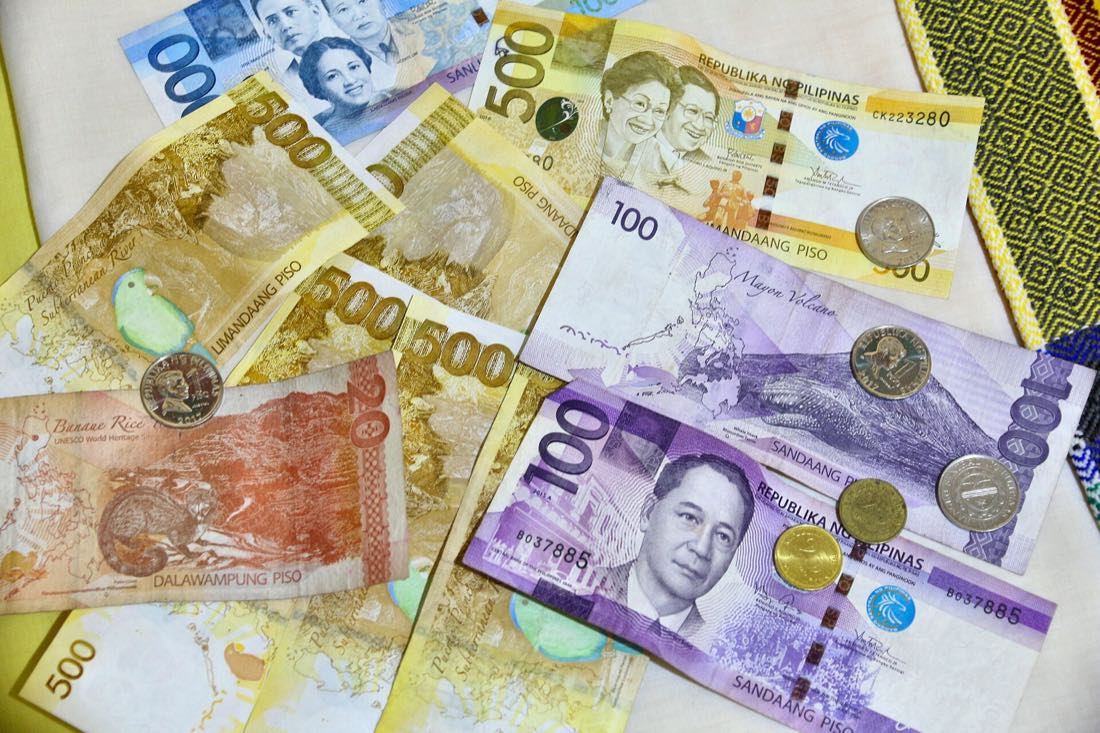
Cash, ATMs and cards in Puerto Princesa
This is a cash city and the ATM fees are the reason to plan it. Foreign cards are charged about ₱250 per withdrawal at nearly every bank here, with per-transaction limits of ₱10,000–20,000 — so two large draws cost you ₱500 where five small ones cost ₱1,250. Draw downtown on Rizal Avenue or at the malls, not at the airport, because airport machines empty at weekends and around the 15th and 30th. Always decline the machine's offer to charge you in your own currency. Cards work at SM, chain hotels and bigger restaurants with 3–5% surcharges at small operators.
Draw big, draw downtown, draw early
Draw cash in the city, and draw more than feels reasonable. Tours, tricycles, markets and most restaurants are cash. Foreign cards are charged about ₱250 per withdrawal at nearly every bank and per-transaction limits run ₱10,000–20,000. Airport machines empty at weekends and around the 15th and 30th. Sabang is effectively an ATM desert — arrive with the whole stay in your pocket. Always decline the machine's offer to charge you in your own currency.
Concretely: on your first afternoon, walk down Rizal Avenue or go to SM City or Robinsons and take out ₱10,000–15,000. If your bank caps you at ₱10,000 a transaction, do it twice. That covers two tours, three days of food, every tricycle you will use and the ₱150 environmental fee, and it costs you ₱250–500 in fees instead of ₱1,250.
The airport has machines both landside and airside and they are the wrong place to use. They empty at weekends and around the 15th and 30th — Philippine paydays — and a dry machine at 22:00 with no Grab and a tricycle driver who takes cash only is a genuinely bad twenty minutes. The airport page puts the ATM step as optional in the arrival sequence for exactly this reason.
And if you are going to Sabang, take the whole stay in your pocket. It is effectively an ATM desert, the resorts there run ₱7,000–9,500 a night, and the mangrove paddle and zipline windows are cash.
Where to withdraw, and what it costs
Branches and machines cluster on Rizal Avenue and at SM City and Robinsons. The fee is broadly uniform; the per-transaction limit is where they differ, and that is what actually determines your total cost.
| Bank | Foreign-card fee | Per-transaction limit | Verdict |
|---|---|---|---|
| BDO the widest ATM network in the country | About ₱250 | Often ₱20,000 the highest of the group | WORTH IT |
| BPI and the best exchange counter in town | US$3.50 or 1.75% its own structure, not the flat ₱250 | Often ₱10,000 for foreign cards | WORTH IT |
| Metrobank | About ₱250 | Often ₱10,000 for foreign cards | DEPENDS |
| Landbank | About ₱250 | Varies | DEPENDS |
| PNB | About ₱250 | Varies | DEPENDS |
| Security Bank | About ₱250 | Varies | DEPENDS |
| Airport machines landside and airside | About ₱250 | Empty at weekends and around the 15th and 30th | SKIP |
Exact per-bank limits in Puerto Princesa are unverified — the ₱10,000–20,000 band and the BDO-highest, BPI-and-Metrobank-lowest pattern come from 2026 guides rather than the banks' own published tables. Try the highest amount first and step down; a declined transaction costs nothing.
Always decline dynamic currency conversion
The machine will offer to charge you in pounds, euros or dollars "for your convenience". Say no every time. Choose to be charged in pesos.
Dynamic currency conversion lets the local machine set the exchange rate instead of your bank, and the rate it sets is worse — typically by several percent, on top of the ₱250 withdrawal fee you are already paying. On a ₱15,000 withdrawal that is real money for pressing the wrong button.
The wording varies. "With conversion" and "without conversion", or a screen showing you an amount in your home currency and asking you to accept. The safe answer is always the option that keeps the transaction in PHP. The same applies to card terminals in restaurants and hotels.
One more card note: expect 3–5% surcharges at small operators who accept cards at all. Visa and Mastercard work at SM, Robinsons, chain hotels and larger restaurants. Badjao Seafront is cash only, and so is essentially every tricycle, carinderia, market stall and tour window in the city.
Where to exchange, ranked by rate
Per a January 2026 forum thread comparing rates around the city on the same day. The spread between the best and worst option here is worth a couple of meals, not a hotel night — but the ranking is consistent.
| Where | Rate | Notes | Verdict |
|---|---|---|---|
| BPI, Rizal Avenue | Best of the group | The winner in the January 2026 comparison. Bring your passport and crisp, unmarked bills — torn or heavily folded notes get refused or discounted | WORTH IT |
| Pawnshops M. Lhuillier, Villarica | Close behind | Everywhere, quick, and they handle USD and EUR without fuss. The pragmatic choice if you are not near a BPI branch | WORTH IT |
| A&S Money Changer | Competitive | A dedicated downtown changer. Worth a look if you are already on Rizal Avenue | DEPENDS |
| The SM forex counter | Below the above | Convenient if you are at the mall anyway for the aircon between 12:00 and 15:00 | DEPENDS |
| The airport | Worst of the group | The usual captive-audience rate. Change ₱2,000-worth for the tricycle and do the rest downtown | SKIP |
| Your hotel | Below the downtown changers | Convenient and consistently beaten by anything on Rizal Avenue | SKIP |
Rates in Puerto Princesa run a little worse than Manila's, so if you are transiting Manila change a base amount there and top up here. Bring crisp bills — this is not a preference, it is a condition of acceptance at most counters.
Ubiquitous among locals, fiddly for visitors
GCash and Maya are how this city actually pays for things — QR codes at cafés, tour shops, market stalls and increasingly at tricycle stands. Whether you can get on them as a tourist is a different question.
GCash now supports international phone numbers and passport-based identity verification in the app, which in principle opens it to visitors. In practice the exact 2026 tourist onboarding flow is unverified, reports of it working are mixed, and verification can take longer than a three-day trip. Do not plan on it as your primary payment method.
If you are staying two weeks or more, or you come to the Philippines often, it is worth attempting on your first evening rather than at the moment you need it — and having cash in your pocket while you try. If you are here for three nights, skip it entirely and carry pesos.
What this does mean is that QR payment is normal here, so the cash-only reality is a foreigner's problem rather than a local one. That is why a restaurant can have no card terminal and still feel modern.
The practical bit
Not obligatory, and warmly received
Nobody here will be rude to you for not tipping and nobody expects a percentage. These are the amounts that land well, and they are small.
| Who | Amount | Why | Verdict |
|---|---|---|---|
| Underground River boatmen and guides | ₱50–100 per guest | They paddle you 1.5 km into a cave and back on a permit-rationed day that starts before dawn | WORTH IT |
| A good day-tour guide | ₱100–200 | For a full day. This is the one where a bit more is genuinely noticed | WORTH IT |
| Honda Bay boat crew | ₱50–100, pooled | Crews pool tips, so hand it to one person for the boat rather than tipping individually | WORTH IT |
| Tricycle drivers | Round the fare up | ₱25 on a ₱20 fare. Costs nothing, changes the interaction | WORTH IT |
| Restaurants | Round up, or 5–10% if you loved it | A service charge is sometimes already on the bill at the larger places — check before adding | DEPENDS |
| Hotel housekeeping | ₱50–100 a night, left in the room | Standard practice and genuinely appreciated in a city where a carinderia meal is ₱100 | DEPENDS |
Keep ₱20s, ₱50s and ₱100s. Breaking a ₱1,000 note at a tricycle stand or a market stall is a real problem — ask for small bills at the ATM counter or break notes at the malls.
Pay ahead, carry less
Booking the two headline days in advance means you carry ₱4,000 less in your pocket and make one fewer ATM run at ₱250 a time. The ₱150 environmental fee is still cash on the day either way.
Money questions, answered
How much does an ATM withdrawal cost in Puerto Princesa?
About ₱250 per withdrawal at nearly every bank for a foreign card, on top of whatever your own bank charges. BPI uses a different structure at US$3.50 or 1.75%. Per-transaction limits run ₱10,000–20,000, so make fewer, larger withdrawals.
Where is the best place to change money in Puerto Princesa?
BPI on Rizal Avenue, per a January 2026 comparison that put it ahead of the pawnshops M. Lhuillier and Villarica, A&S Money Changer, the SM forex counter and the airport. Bring crisp bills; damaged notes get refused or discounted.
Should I use the ATM at the airport?
Only if you have to. Airport machines empty at weekends and around the 15th and 30th, which are Philippine paydays. Draw ₱10,000–15,000 downtown on Rizal Avenue or at SM City on your first afternoon instead.
Do they take cards in Puerto Princesa?
At SM, Robinsons, chain hotels and the larger restaurants, with 3–5% surcharges at small operators. Tricycles, carinderias, market stalls, most tour windows and Badjao Seafront are cash only. Plan to live in cash.
How much cash should I carry?
₱10,000–15,000 drawn on arrival covers three days comfortably, including a ₱2,200 river tour, an ₱1,800 Honda Bay day, food and tricycles. Carry small notes — breaking a ₱1,000 bill at a tricycle stand is genuinely awkward.
Can I use GCash as a tourist?
Possibly, and do not rely on it. GCash supports international numbers and passport verification in-app, but the exact 2026 tourist onboarding flow is unverified and verification can outlast a short trip. Locals pay by QR everywhere; visitors should carry pesos.
Should I accept the ATM's offer to charge me in my own currency?
No, never. Dynamic currency conversion lets the local machine set the rate instead of your bank, and it is worse by several percent on top of the ₱250 fee. Always choose to be charged in pesos, at ATMs and at card terminals.
Do I need to tip in Puerto Princesa?
Not obligatory and warmly received. ₱50–100 per guest for Underground River boatmen and guides, ₱100–200 for a good day-tour guide, ₱50–100 pooled for a Honda Bay crew, and rounding up a ₱20 tricycle fare to ₱25.